
A 009 layout by Bob Barnard
Scale 009 (4mm/1ft)
Gauge 9mm
Size 2.7m x 0.3m
009 Diorama-style Layout
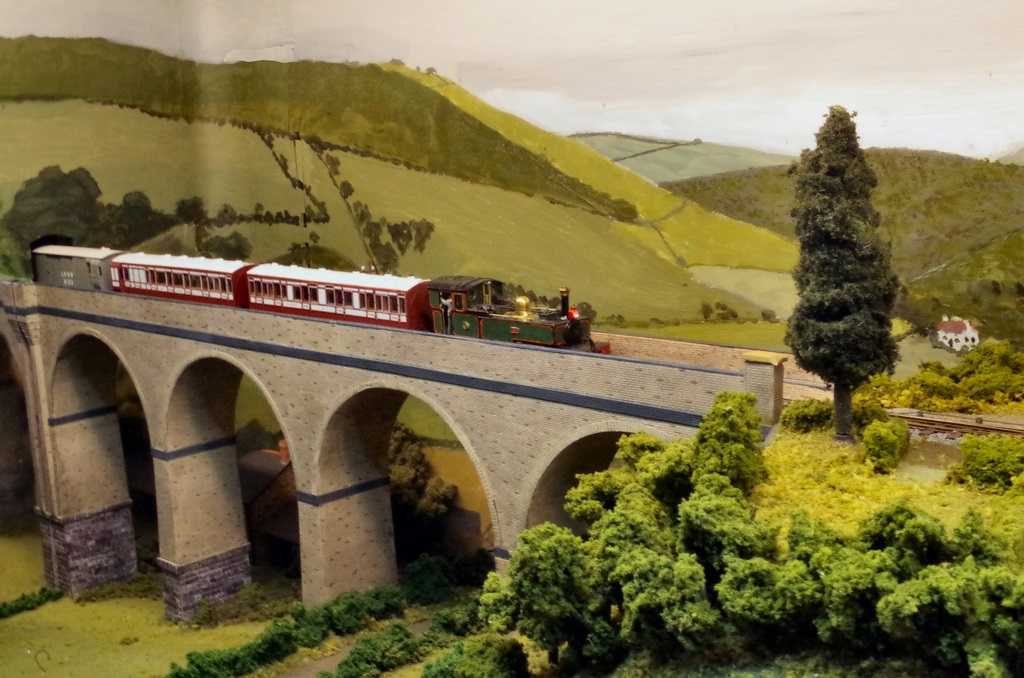
It is early summer in North Devon, and a succession of mixed trains cross the iconic 70ft high Chelfham Viaduct, stopping at the adjacent station in its leafy glade high on the wooded hillside - one of the regular passing places on the famous Lynton & Barnstaple 2ft gauge line. From time to time, a diminutive coal wagon is hand-shunted into or out of the short siding by the fireman and porter/signalman.
Layout description
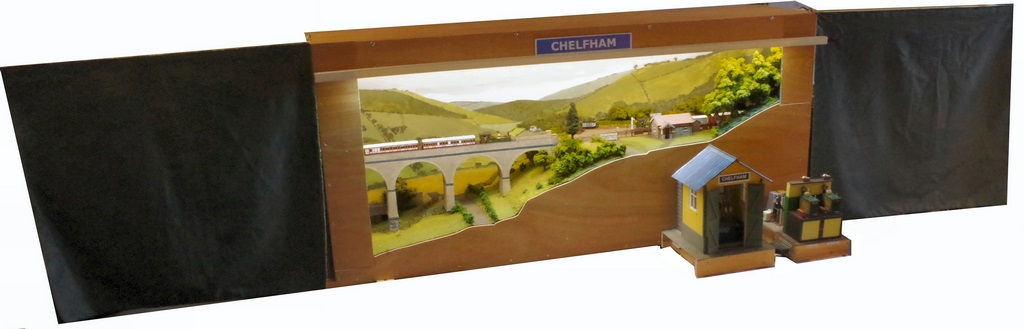
This small newly-built diorama-style layout can be viewed from one side or the other (and turned round within a short time), and can also be set in either L&B or SR period (with buildings, fences, lampposts and even a tree swapped within a few minutes to suit the scratchbuilt and ready-to-run locomotives and rolling stock in the liveries of the two periods).
At a typical two-day show it might be displayed as follows:
Saturday morning: viewed from the East, 1910-25 L&B period
Saturday afternoon: viewed from the East, 1930s SR period
Sunday morning: viewed from the West, 1910-25 L&B period
Sunday afternoon: viewed from the West, 1930s SR period
Morning visitors are encouraged to return to see the changed scene later in the day.
An operator seated at the front of the layout interacts with visitors, and signals the trains through the station using Electric Train Tablet instruments and an interlocked lever frame housed in a 1:12 scale model of the station’s ground frame hut. Trains cross the diorama between up and down fiddle yards, which are attended from the rear.
The diorama incorporates loco sound.
The layout can optionally be combined with a Lynton & Barnstaple Railway Trust display board and sales table intended to promote interest in the revival of the actual L&B line in North Devon.



https://www.narrowgaugenorth.org.uk/index.php/85-public-news/exhibitors-previous?start=168#sigProId916e2d8d0b
A layout by Andrew Ross
Scale 7mm/1ft
Gauge Various
Size 6’ x 1’
Hunslet Engine works in O gauge. After working for many years at Hunslet Andrew is building a working Diorama of the Erecting shop and test track of the Hunslet Engine Works. A 2mm mock shows what the aim is and includes the interior details to be included in the final Layout. This will include working cranes and the multi gauge test track. The locomotives on display are all Hunslet and will take their place at some point in the works. Much of the structure is etched and the display shows the progress to date on a small section of the structure including the development work on the overhead crane.


https://www.narrowgaugenorth.org.uk/index.php/85-public-news/exhibitors-previous?start=168#sigProId4a0bac8218
A 009 layout by Peter Hogarth
Scale 009 (4mm/1ft)
Gauge 9mm
Size 5’ x 2’
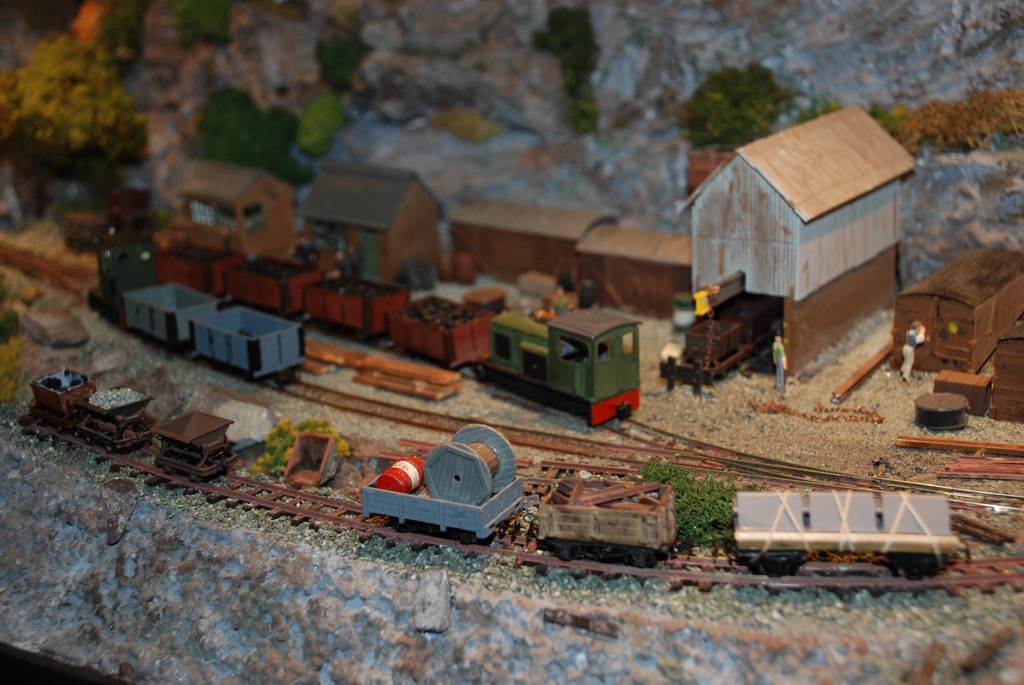
In the late 1800’s , early 1900’s there was a great deal of mining activity in the South Tyne Valley. Gilderdale Mine represents what might have been developed near Gilderdale Moor towards the top end of the South Tynedale valley.
This is not far from the town of Alston, home of the current South Tynedale narrow gauge railway. The South Tynedale narrow gauge railway now runs on the trackbed of the old Alston to Haltwhistle branch line, running from Alston to Gilderdale.
Sometime in the past, the mining company developed a small narrow gauge system to get their minerals, mostly galena and fluorspar to a transfer siding, on the standard gauge Alston to Haltwhistle branch, as did many mining operations along its length.
The lead was found to have a high silver content so the operation of a railway has become viable.
In later years a stone quarry was developed near the mine providing ballast and stone for building creating extra revenue for the railway which runs mostly mineral/mine traffic with the occasional workmen’s coach for the quarry or the mine.
The railway operated mostly steam in the early life of the railway in and around the early 1900’s . A mixture of steam and diesels are operated at a later period, followed by purely diesel in the latter years of the life of the railway. You will find running on the layout a number of kit built loco’s, steam and diesel, on N gauge chassis as well as mostly kit built mineral wagons and vans. The buildings are mostly modified standard 00 kits with one or two buildings scratch built, the scenery is built up using polystyrene, plaster, flocks, and paint.
The layout was designed to show what could be achieved in a small space. It is an attempt to capture the spirit and atmosphere of a typical narrow gauge mineral railway built to serve a very real industry which provided much wealth in the past. The scenery attempts to reflect the type of scenery found in the South Tyne Valley in the Pennines.
Finally, I would like to thank all my friends in the 009 Society for their advice and encouragement. The layout has appeared in a past issue of ‘009 News’.


https://www.narrowgaugenorth.org.uk/index.php/85-public-news/exhibitors-previous?start=168#sigProIdec2a6dfb6f
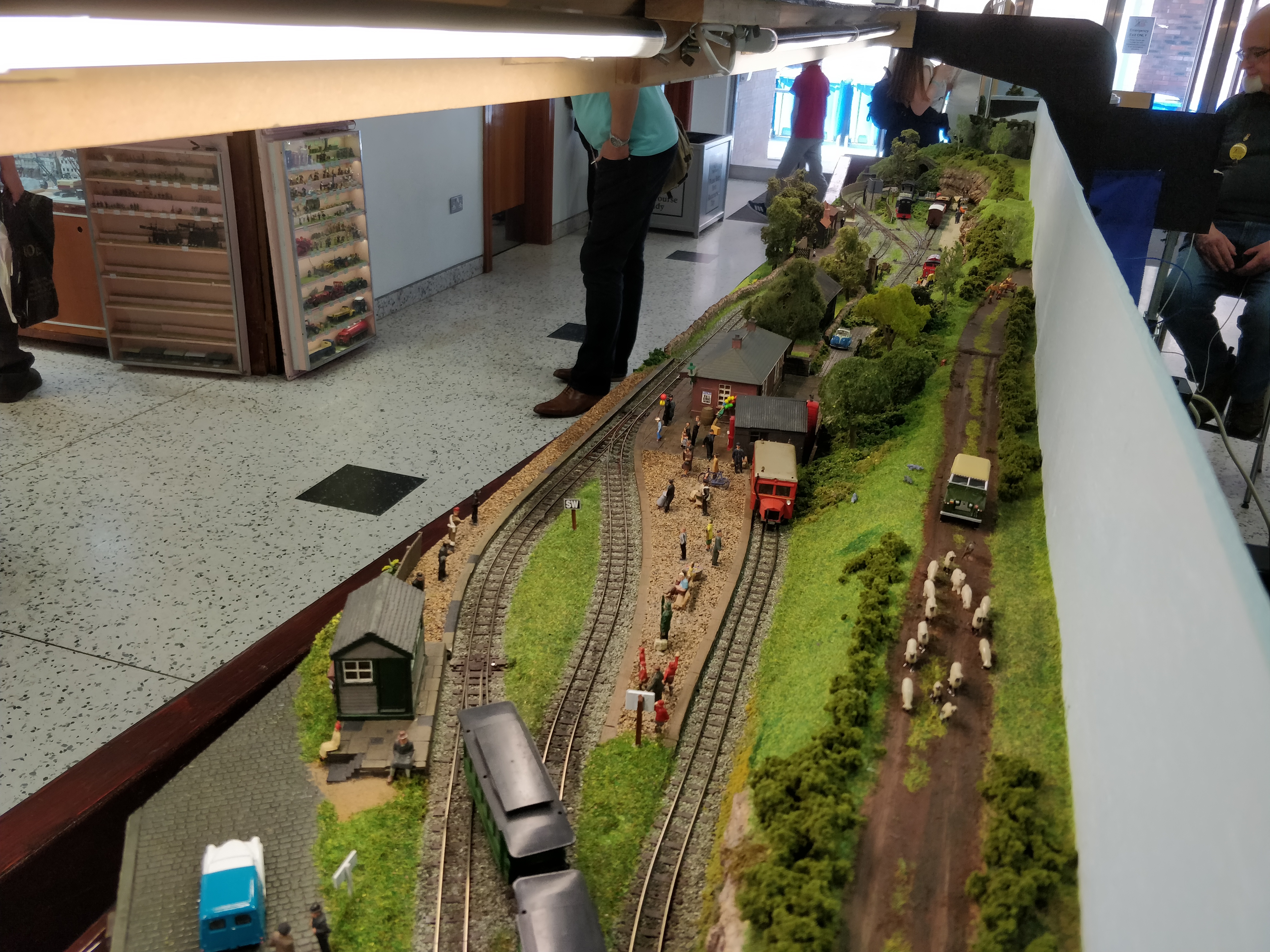
A 009 layout by Chris Towers
Scale 009 (4mm/1ft)
Gauge 9mm
Size 10’ x 2’
-
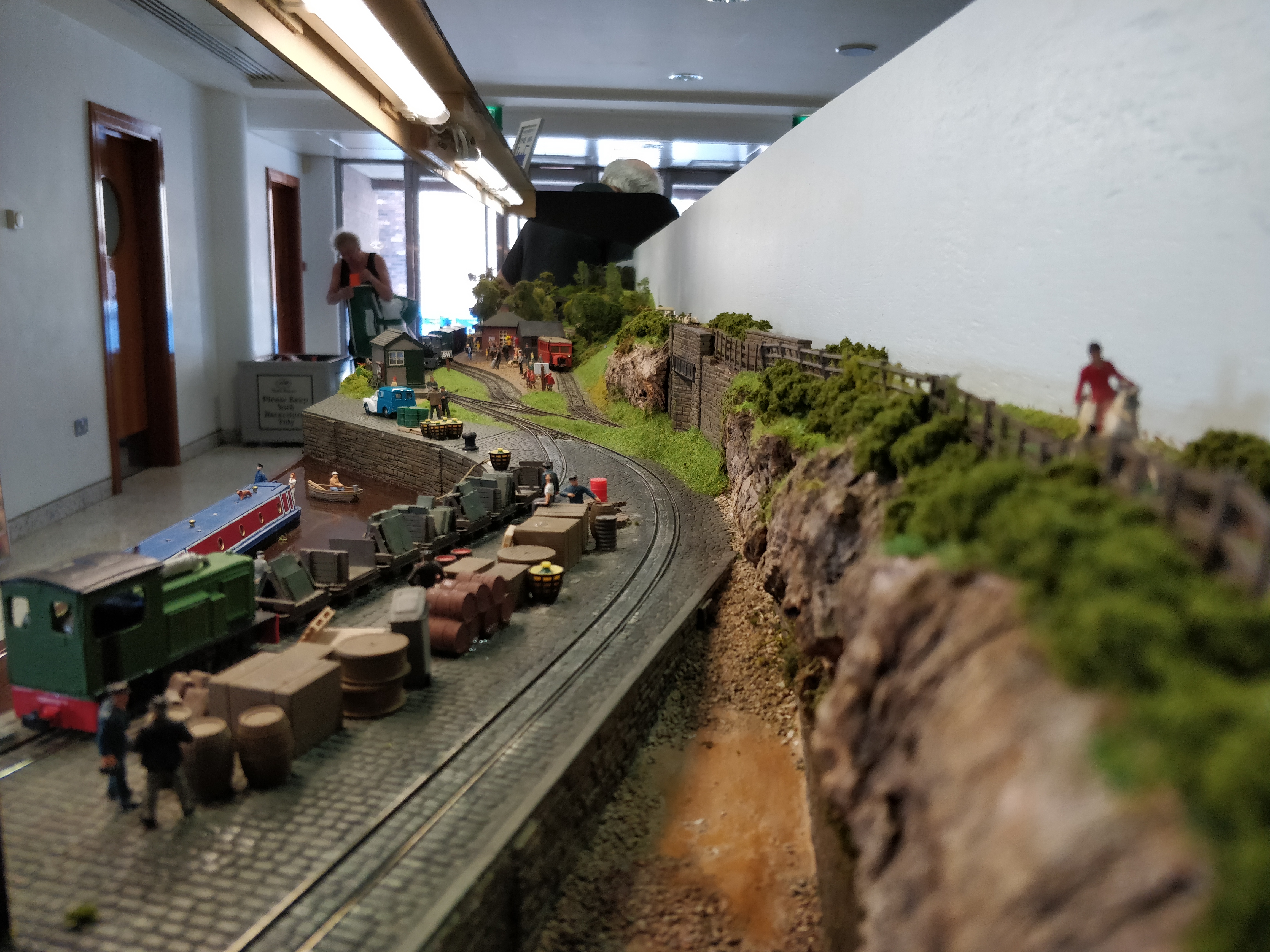
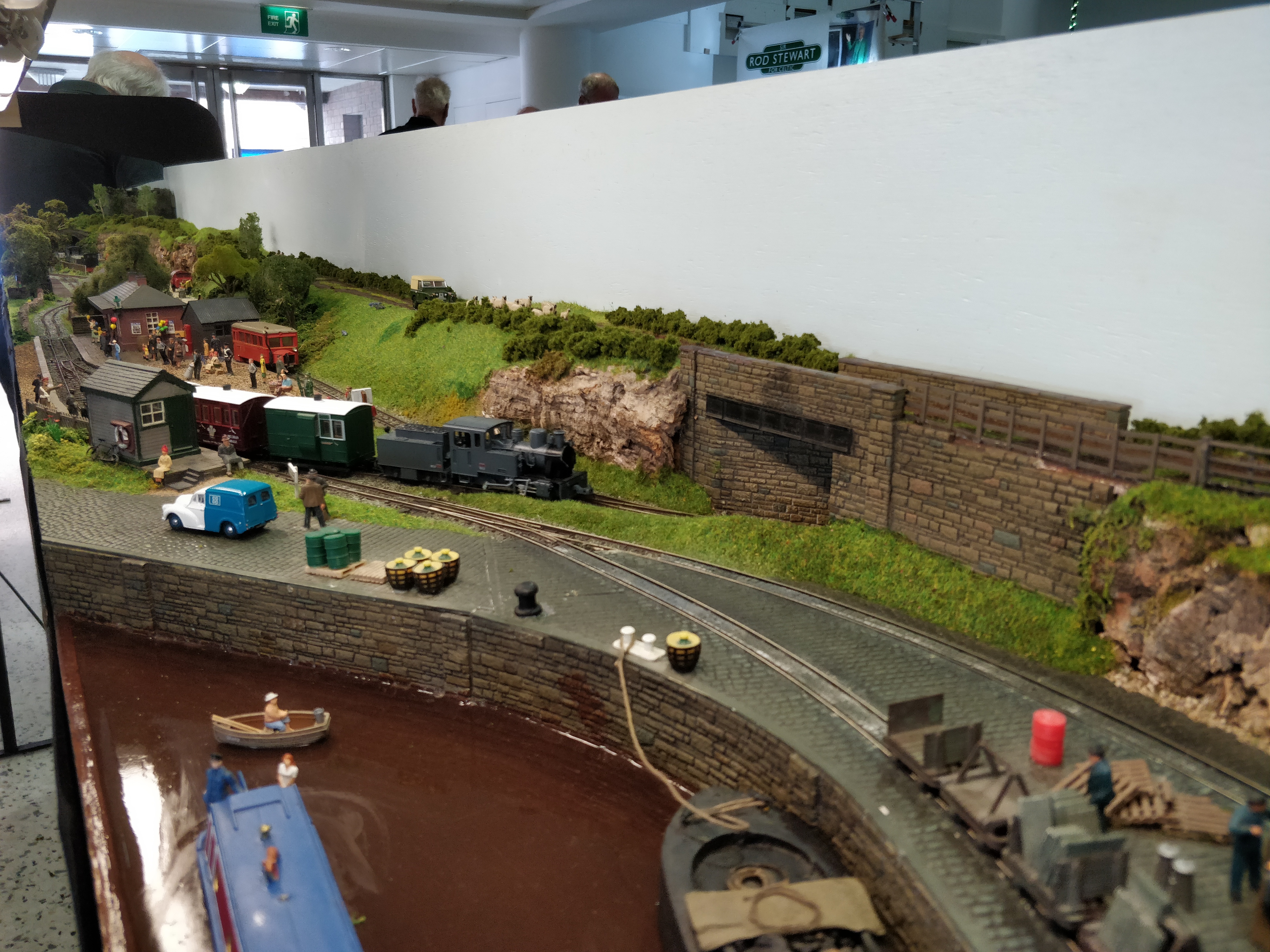
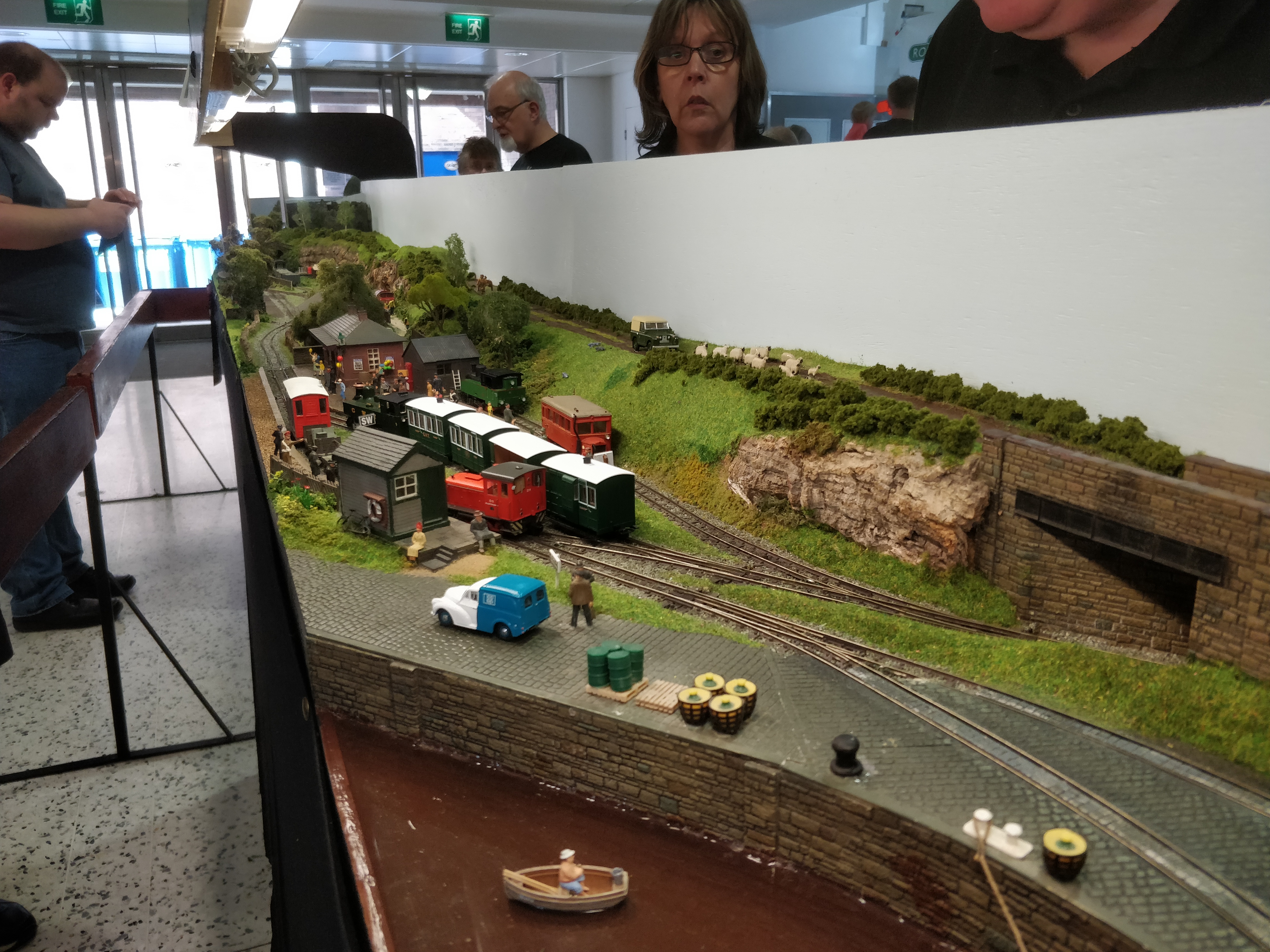
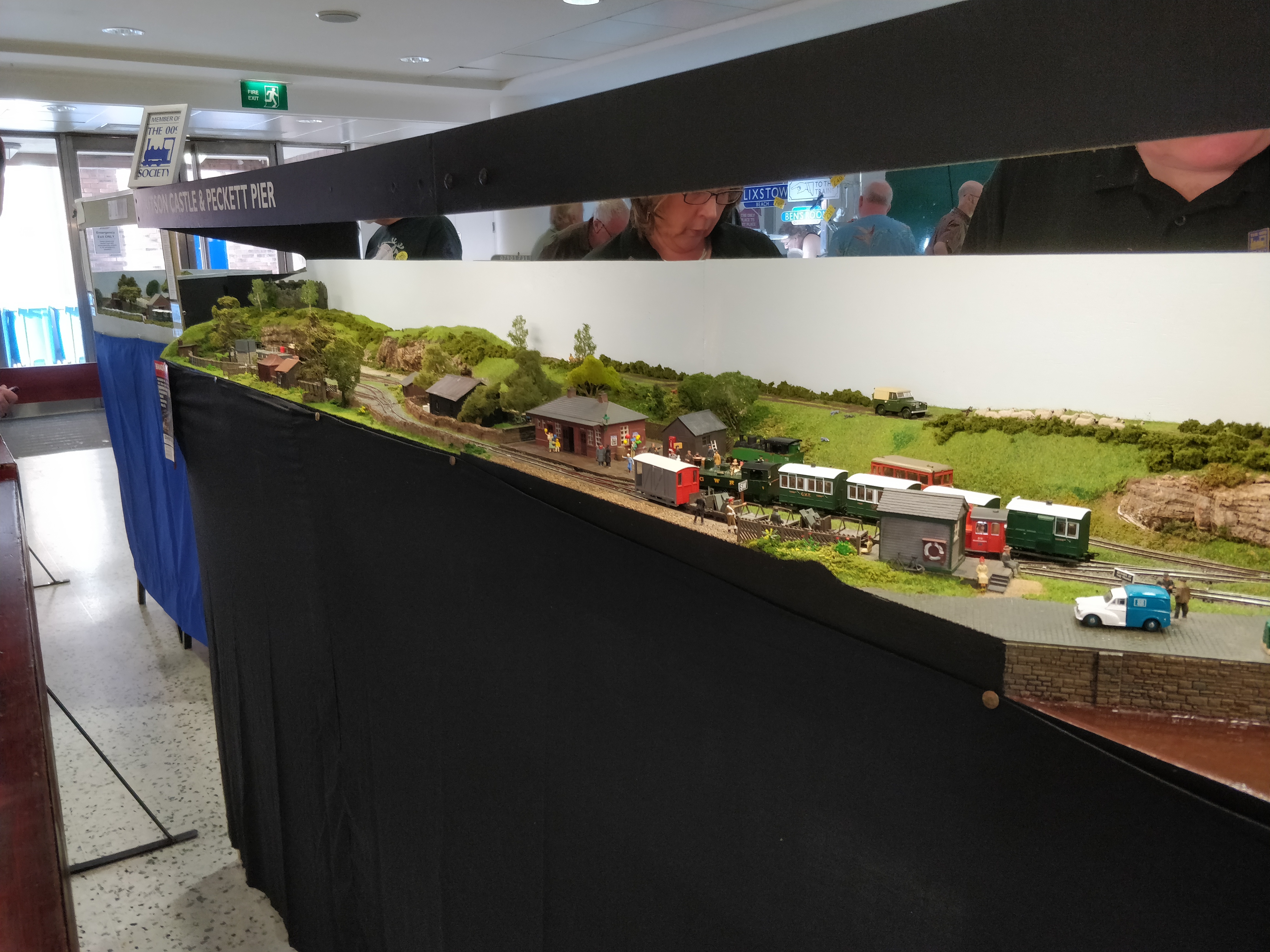
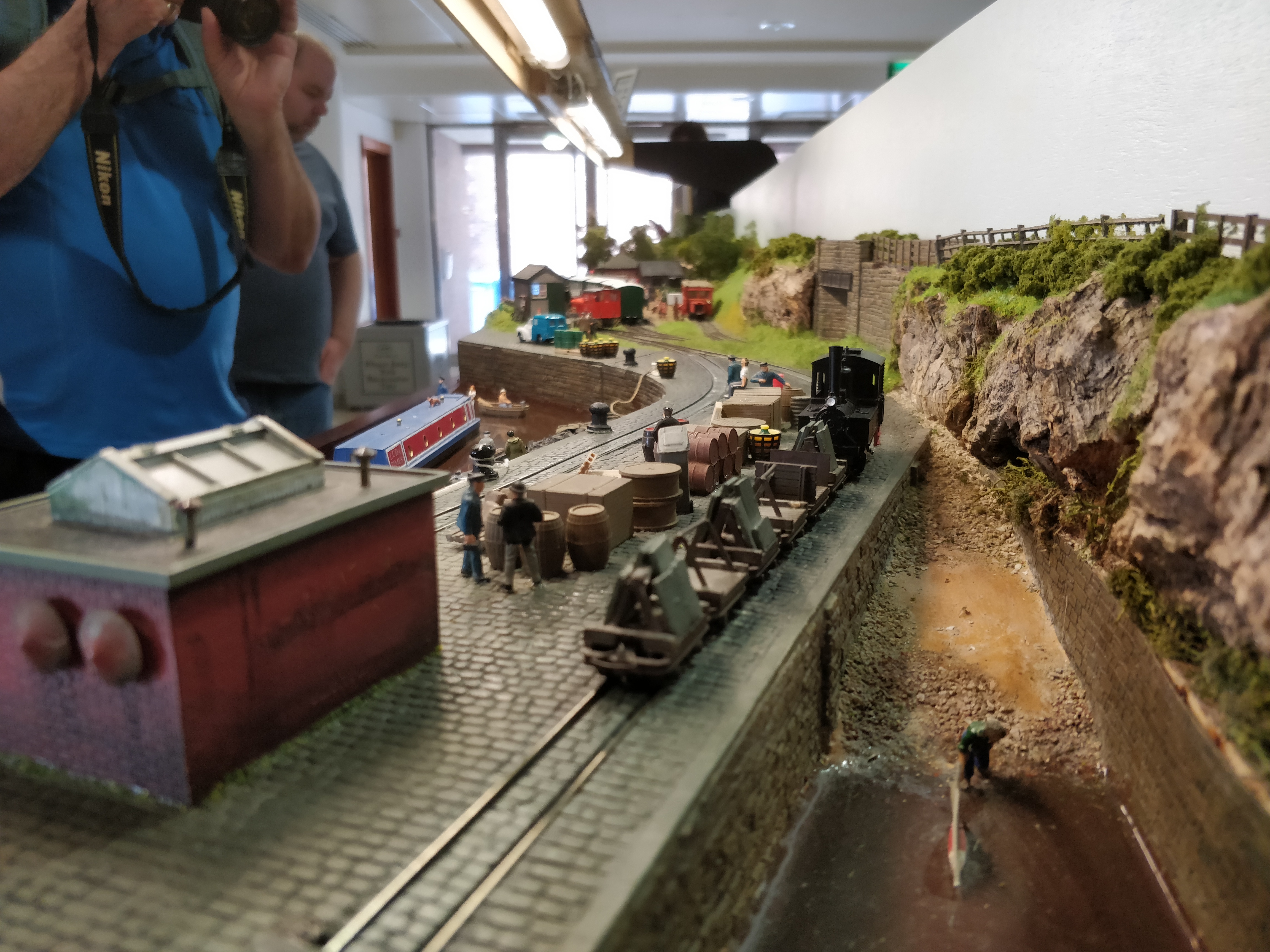
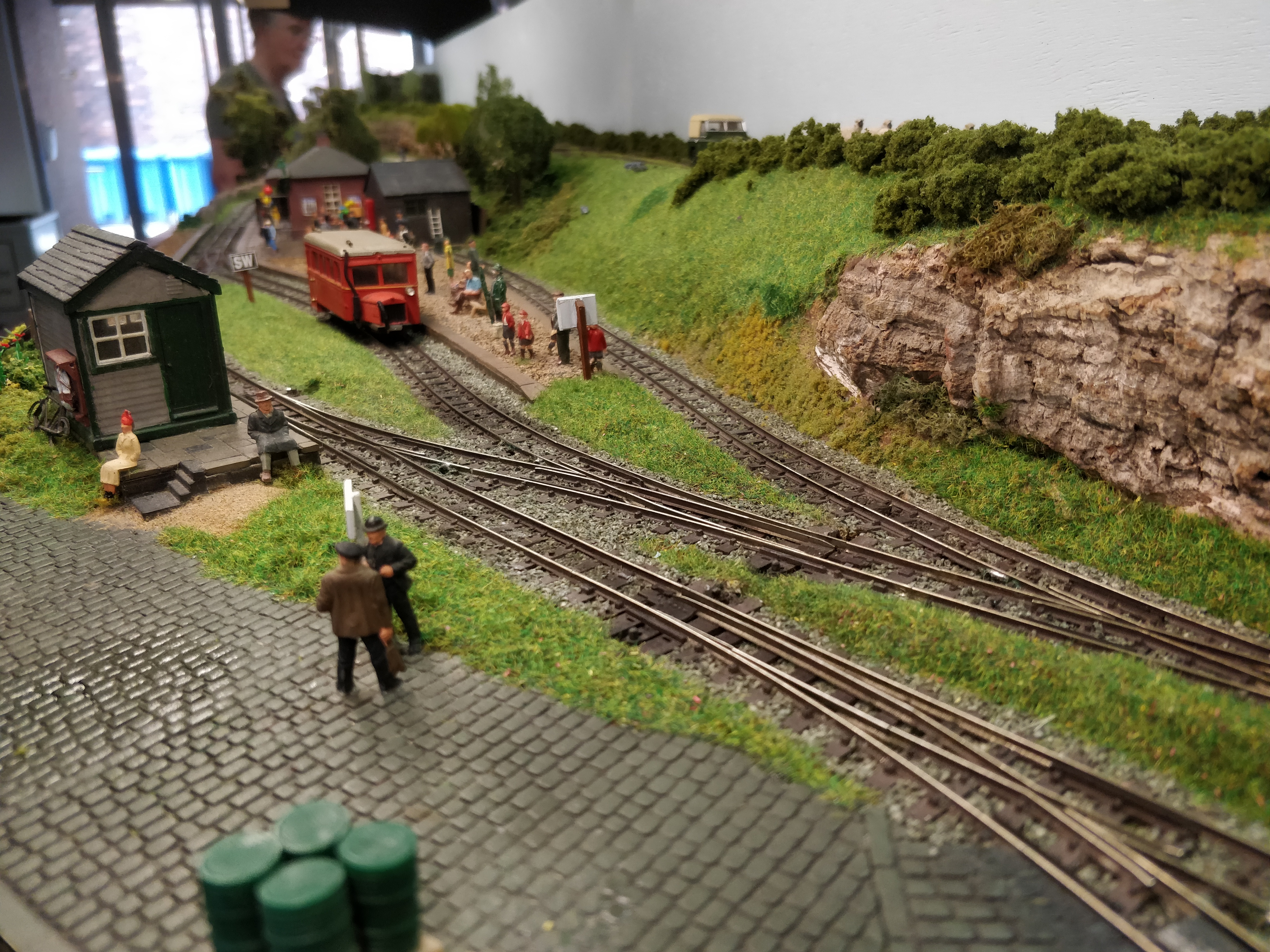
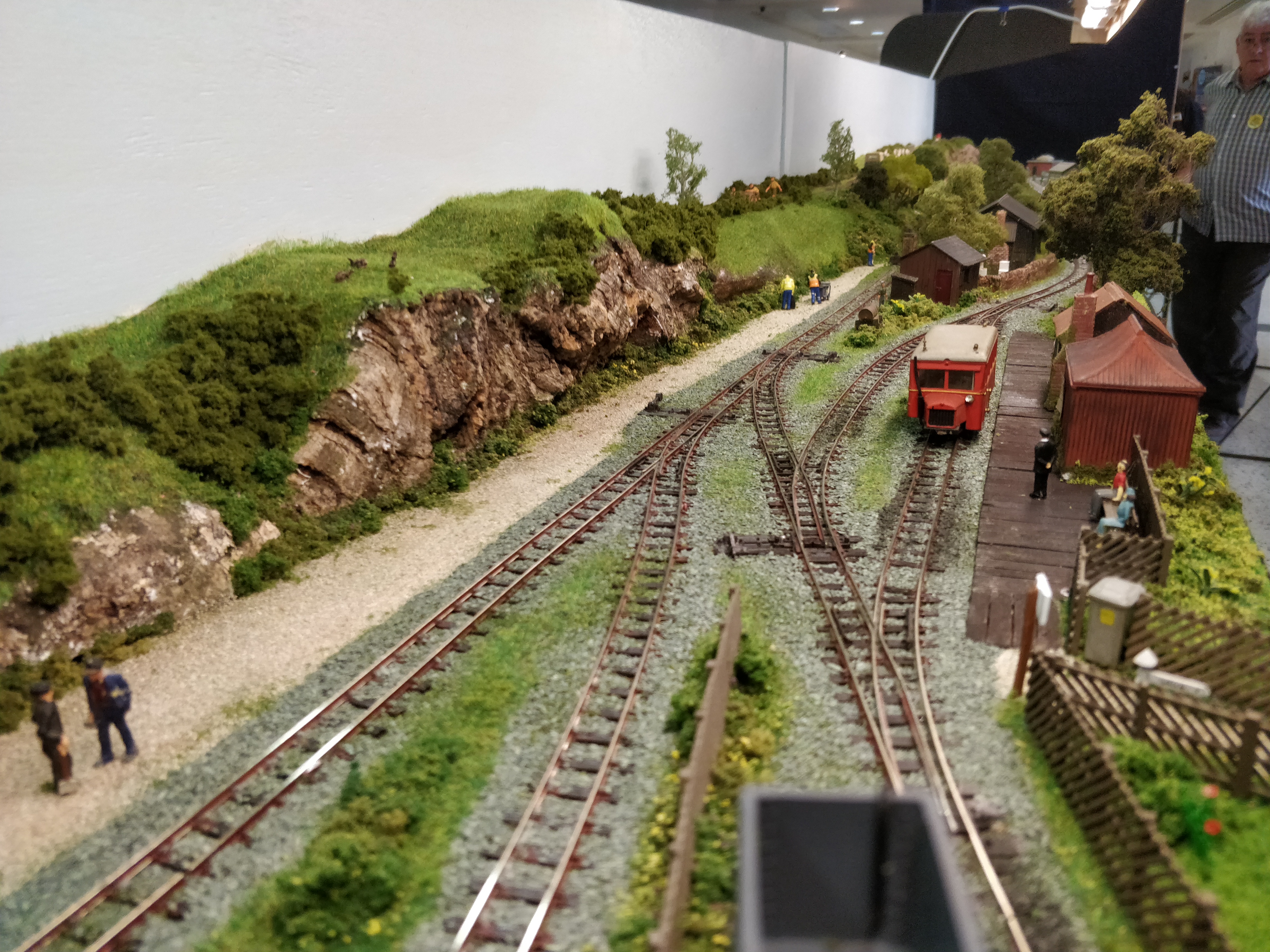
 Kitson Castle & Peckitt Pier
-
Kitson Castle & Peckitt Pier
Kitson Castle & Peckitt Pier
-
Kitson Castle & Peckitt Pier
Kitson Castle & Peckitt Pier
-
Kitson Castle & Peckitt Pier
Kitson Castle & Peckitt Pier
-
Kitson Castle & Peckitt Pier
Kitson Castle & Peckitt Pier
-
Kitson Castle & Peckitt Pier
Kitson Castle & Peckitt Pier
-
Kitson Castle & Peckitt Pier
Kitson Castle & Peckitt Pier
-
Kitson Castle & Peckitt Pier
Kitson Castle & Peckitt Pier
https://www.narrowgaugenorth.org.uk/index.php/85-public-news/exhibitors-previous?start=168#sigProIde9d8376aef